How Often Should You Test Your Pool Water?
By Alex Rivera · Published · 5 minutes read
Most pool problems start as small chemistry drifts that nobody noticed for a week: a slow climb in pH, free chlorine slipping under 1 ppm, cyanuric acid creeping up after a season of stabilized tablets. Testing on a sensible schedule catches those drifts while they're cheap to fix, instead of after water turns cloudy or algae takes hold.
The right frequency depends less on the calendar than on your pool: how many swimmers, whether it's indoors or screened, how much rain and debris it collects, and whether you run manual drops or a continuous sensor. Below are practical intervals that work in the real world, plus what to watch between tests.
The Baseline Schedule Most Residential Pools Need
For a typical outdoor residential pool in season, test free chlorine and pH two to three times per week, and at least once on the weekend when bather load peaks. Run a full panel (total alkalinity, calcium hardness, cyanuric acid, and total dissolved solids) every two to four weeks. That split matters: chlorine and pH move daily, while alkalinity and stabilizer move slowly and only need periodic correction.
If your pool is covered most of the week and sees two swimmers, twice weekly is plenty for chlorine and pH. If it hosts a family of five plus weekend guests, test daily during heat waves. Water above roughly 85°F (29°C) burns through chlorine noticeably faster, and heavy bather load adds sweat, sunscreen, and organics that consume sanitizer within hours.
Off-season, when the pool runs but sees little use, weekly chlorine and pH checks plus a monthly full panel keep you out of trouble. A pool sitting at 60°F (15°C) with low sun exposure can hold chlorine for days, so daily testing just wastes reagent.
- Free chlorine and pH: 2-3x per week in season, daily during heat waves or parties
- Total alkalinity and calcium hardness: every 2-4 weeks
- Cyanuric acid: monthly, or after switching sanitizer products
- Full panel including TDS: quarterly
Adjusting Frequency for Pool Type and Environment
Indoor pools and screened enclosures hold chemistry far more steadily because they get little rain, runoff, and UV degradation. Many owners do fine with twice-weekly chlorine and pH checks and a monthly full panel. The trade-off is ventilation: indoor pools can build up chloramines, so if the room smells strongly of chlorine, test combined chlorine more often, even if free chlorine reads fine.
Uncovered outdoor pools in windy, dusty, or leafy areas need more attention. Debris consumes chlorine as it breaks down, and rain dilutes alkalinity and pushes pH around. After a heavy storm, test pH, alkalinity, and chlorine within a day rather than waiting for the weekly slot. Saltwater pools with a generator still need testing two to three times a week; automation reduces the work of dosing but doesn't remove the need to verify output.
- Indoor or screened: 2x weekly chlorine/pH, monthly full panel
- Outdoor uncovered: 3x weekly chlorine/pH in season
- Saltwater: 2-3x weekly, plus monthly salt and stabilizer check
- After storms or heavy debris: retest within 24-48 hours
What to Look For Between Tests
Between scheduled tests, keep an eye on the signals that chemistry is drifting: water that looks slightly hazy at the deep end, a strong chlorine smell (usually chloramines, not excess chlorine), scaling at the waterline, or itchy skin after swimming. These often appear before test numbers look alarming, and they're a cue to test immediately rather than at the next scheduled slot.
If you're deciding whether to keep testing by hand or move to continuous monitoring, a side-by-side comparison of effort, cost, and accuracy helps. For a structured look at the trade-offs, see DIY pool water testing vs. professional monitoring. Whichever route you choose, log results with dates; trends over two or three weeks reveal more than any single reading.
- Hazy deep end or dull water: test and shock if needed
- Strong chlorine odor: check combined chlorine
- Waterline scale: verify pH and calcium hardness
- Itchy skin or red eyes: suspect low pH or high chloramines
| Pool situation | Free chlorine & pH | Alkalinity & hardness | Cyanuric acid | Full panel / TDS |
|---|---|---|---|---|
| Covered or indoor, light use | 2x per week | Every 4 weeks | Monthly | Quarterly |
| Outdoor residential, average use | 2-3x per week | Every 2-4 weeks | Monthly | Quarterly |
| Outdoor, heavy use or heat wave | Daily | Weekly | Every 2 weeks | Every 2 months |
| Saltwater with generator | 2-3x per week | Every 2-4 weeks | Monthly | Quarterly |
| Off-season, low use | Weekly | Monthly | Every 2 months | Twice per season |
| After storm or debris event | Within 24-48 hours | Within 48 hours | Not needed | Not needed |
Automating the Schedule Without Losing Control
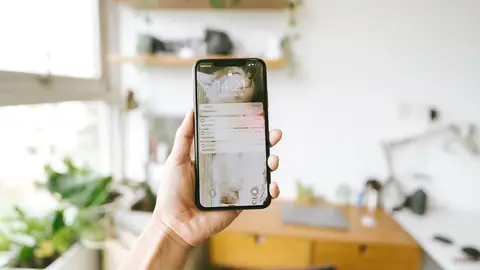
Continuous monitoring systems sample pH, ORP (a proxy for sanitizer activity), and often temperature every few minutes, which effectively turns your testing schedule into a constant one. That's a genuine upgrade for busy households, but sensors drift and need calibration, so plan on weekly reference tests with drops or strips to validate what the system reports. Treat the app as an early-warning tool, not an oracle.
If you're weighing specific units, a comparison of features and sensor types is a good starting point: top pool monitoring systems compared. Installation is another decision point; some controllers are plug-and-play, others need probe housings and power near the equipment pad, which is covered in pool monitoring installation: DIY vs. professional.
- Calibrate pH and ORP probes per manufacturer, typically monthly
- Keep a manual test kit for weekly cross-checks
- Set alert thresholds for chlorine, pH, and temperature
- Review trend graphs weekly, not just individual alerts
Common Testing Mistakes That Skew Results
Sample from elbow depth, about 18 inches below the surface, away from return jets and skimmer mouths. Surface water can read differently from the bulk of the pool, especially after rain. Rinse the test cell or comparator with pool water before filling it, and read colors in natural daylight; indoor lighting makes pH and chlorine comparisons unreliable, particularly with red/pink shades.
Respect reagent shelf life. Liquid and tablet reagents degrade, often within a year of opening, and heat speeds that up, so don't store kits in a hot shed. Test strips are fast but less precise; they're fine for daily chlorine checks but weak for alkalinity and calcium. Finally, don't chase perfect numbers: keeping free chlorine in the 1-3 ppm range with cyanuric acid around 30-50 ppm and pH at 7.4-7.6 covers most residential pools.
- Sample 18 inches deep, away from returns
- Read colors in daylight, not under artificial light
- Replace reagents yearly; store kits cool and dry
- Aim for ranges, not single perfect values
Building a Schedule You'll Actually Follow
Pick fixed days, for example Monday, Wednesday, and Saturday morning, and keep a simple log: date, free chlorine, pH, and anything you added. After a month you'll see your pool's rhythm, such as chlorine dropping faster after Sunday swims, and you can adjust dosing before problems start. If testing keeps slipping, that's usually a sign the pool needs automation or a service, not more discipline.
Watch for the warning signs that manual testing is no longer enough: repeated algae blooms, cloudy water that clears then returns, or chemistry that swings between tests. A short read on those red flags is here: 5 signs your pool water needs a monitoring system. When alerts do fire, knowing which ones matter saves panic; see how to interpret pool monitoring alerts.
- Fix testing days and log every result
- Review trends monthly and adjust dosing
- Escalate to monitoring if problems repeat
- Pair alerts with a quick manual confirmation
- Test free chlorine and pH two to three times weekly in season; go daily during heat waves and heavy use.
- Run alkalinity, hardness, and stabilizer checks every two to four weeks, and a full panel quarterly.
- Indoor and covered pools can drop to twice-weekly checks; uncovered pools in debris-prone areas need more.
- If you use a monitoring system, cross-check with manual tests weekly and calibrate probes monthly.
Alex has spent over a decade managing pool water quality for residential and commercial properties. He founded WaterWatchersSignup to help pool owners simplify monitoring with practical tools and honest advice. His focus is on making water chemistry approachable for everyone.