Remote Pool Water Monitoring for Vacation Homes
By Alex Rivera · Published · 4 minutes read
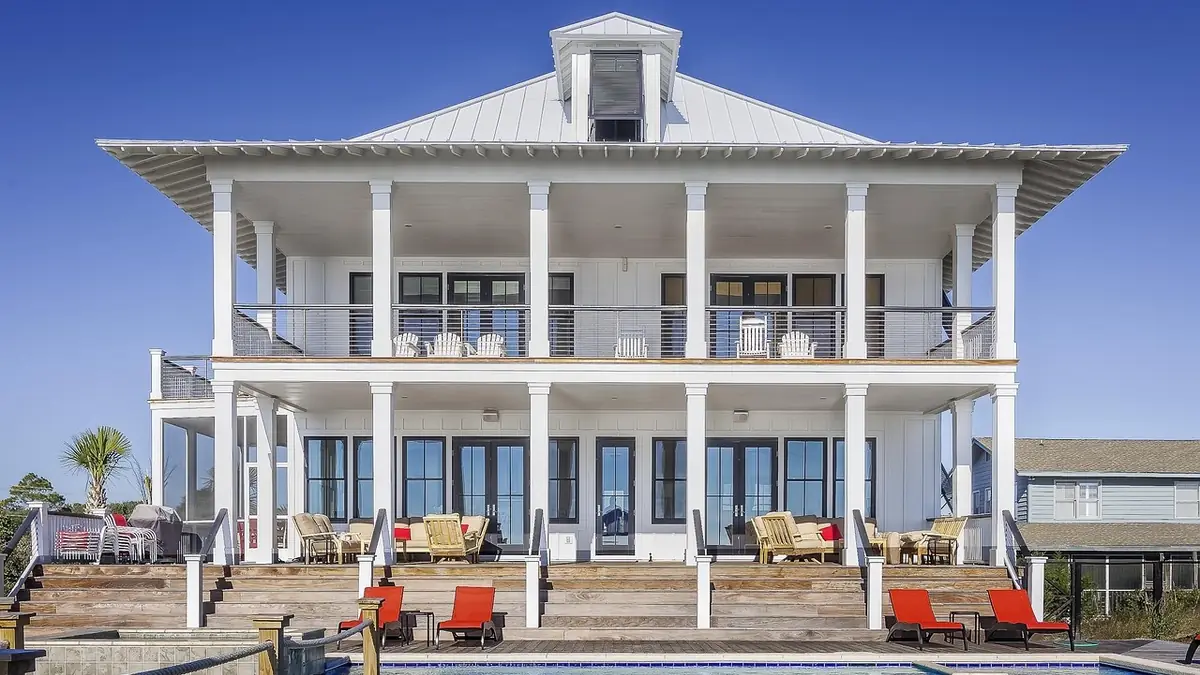
A vacation home pool sits empty for weeks, and the water does not pause while you are away. Chlorine burns off, pH drifts, the pump strains, and a small leak can turn into a large repair before anyone opens the gate. Remote monitoring closes that gap by turning the pool into something you can check from a phone, with alerts when a reading leaves its safe band.
This article covers what remote systems actually measure, where they earn their keep for absentee owners, and what they cannot do. It sticks to practical numbers and typical ranges rather than promises.
What Remote Monitoring Actually Measures
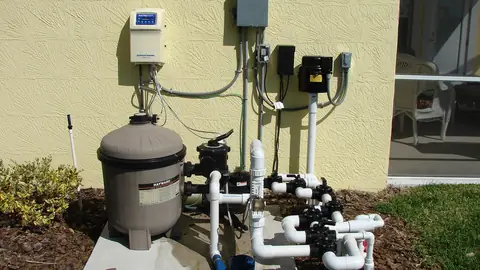
Most residential remote systems track a handful of core parameters: pH, free chlorine or ORP (oxidation-reduction potential), water temperature, and sometimes salinity, total dissolved solids, or pressure on the pump line. Readings are sent to a hub and then to an app, typically every few minutes to every hour. The value is not the raw number but the trend and the threshold alert.
Typical safe bands for a plaster residential pool: pH 7.2–7.8, free chlorine 1–3 ppm (higher for heavy bather load), cyanuric acid 30–50 ppm, total alkalinity 80–120 ppm, and calcium hardness 200–400 ppm. A monitor that watches pH and chlorine covers the two parameters that drift fastest in an unattended pool, especially in summer heat.
Sensors do age. pH probes usually need calibration every one to three months and replacement roughly every 12–24 months; chlorine/ORP probes are similar. Budget for consumables and a calibration routine, or the readings will slowly lie to you.
- pH and free chlorine or ORP: the minimum useful set
- Water temperature: catches heater and freeze problems
- Salinity or TDS: useful for salt pools and top-off tracking
- Pump pressure or flow: flags clogged filters and failing pumps
Why Absentee Owners Gain the Most
A pool that is checked weekly by a service can still spend six days drifting out of range. For a home that is occupied daily, someone notices cloudy water or a weak return jet. For a vacation home, nobody does. Remote monitoring compresses that blind spot from days to minutes, which matters most in the parameters that move fast.
The economics are straightforward. A pump run dry or a heater fed low-flow water can fail within hours, and replacement runs into four figures. A pH crash below roughly 7.0 for a sustained period etches plaster and can stain surfaces; correcting scale or etching is a resurfacing conversation, not a chemical dose. Catching these early is the whole point.
Remote monitoring also changes how you use a local pool service. Instead of paying for frequent visits to look at the water, you pay for targeted visits triggered by data. Many owners find they keep the same number of visits but get far more done with them.
- Leak or top-off failure shows as falling level or rising TDS
- Heater faults show as temperature not holding setpoint
- Chemical drift shows before water turns cloudy
- Pump faults show as pressure or flow anomalies
Setting Thresholds That Do Not Cry Wolf
The fastest way to abandon a monitoring system is to be alerted ten times a day. Set your pH alert at 7.9 and 7.1 rather than hugging the 7.2–7.8 band, and chlorine at 0.8 ppm low and 5 ppm high. That gives the chemistry room to move between doses without waking you up, while still catching a genuine excursion.
Use time delays for anything that fluctuates: require a reading to stay out of range for 30–60 minutes before pushing a notification. Temperature alerts should be tighter in winter if you have freeze risk and looser in summer. Pressure alerts work best as a percentage change from a clean-filter baseline, not a fixed number.
If the system has been quiet for a week, check that it is still reporting. A dead sensor and a perfect pool look identical in an app until you notice the last-update timestamp.
- Widen pH and chlorine bands slightly beyond ideal
- Add a 30–60 minute persistence delay
- Baseline pump pressure after a filter clean
- Watch the last-updated timestamp weekly
What Remote Monitoring Cannot Do
A monitor reads water; it does not add chemicals, backwash a filter, or skim leaves. If your pool loses 1–2 inches of water a week to evaporation in summer, that is normal, but a top-off system or a neighbor with a hose still has to act. Remote monitoring tells you what is wrong; someone local still has to fix it.
Sensors also get fouled. Oils, scale, and debris on a probe produce false lows and highs. Plan for a local contact, whether a neighbor, a property manager, or a pool tech, who can clean probes and dose chemicals when the app says so. Monitoring without a response plan is just expensive anxiety.
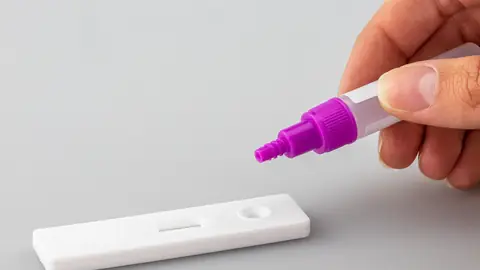
Finally, no consumer-grade sensor matches a proper lab test for every parameter. Use the monitor for trends and alarms, and confirm important decisions with a manual test kit or a professional reading.
- No automatic chemical dosing unless you add it
- Probes need physical cleaning and calibration
- Local response still required for fixes
- Confirm big corrections with a manual test
| Parameter | Target Range | How Fast It Drifts | Alert Priority |
|---|---|---|---|
| pH | 7.2–7.8 | Days in heat, faster with rain | High |
| Free chlorine | 1–3 ppm | 1–3 days in summer sun | High |
| Total alkalinity | 80–120 ppm | Weeks | Medium |
| Calcium hardness | 200–400 ppm | Slowly; rises with top-off | Low |
| Cyanuric acid | 30–50 ppm | Slowly; only rises | Medium |
| Water temperature | Setpoint ±2 °F | Hours if heater fails | High in winter |
| Pump pressure | Baseline +10–15% | Days as filter loads | Medium |
Costs, Payback, and What to Expect
Hardware for a residential remote system typically runs a few hundred to around a thousand dollars depending on parameters and build quality, with professional installation adding to that. Ongoing costs are modest: a connectivity subscription, replacement probes, and calibration supplies. Compare that with the cost of one avoidable pump or heater replacement and the math usually favors monitoring.
Payback is clearest in hot climates and salt pools, where chemistry moves fastest, and in homes that sit empty for more than two or three weeks at a stretch. In mild climates with a weekly service and short absences, the benefit is more about peace of mind than hard savings. Either way, pair the hardware with a clear plan for who responds.
- Hardware: a few hundred to about $1,000 typical
- Probes: replace roughly every 12–24 months
- Subscription and calibration: modest annual cost
- Best payback: hot climates, salt pools, long absences
- Remote monitoring turns days of blind spots into minutes.
- Watch pH and chlorine first; they drift fastest.
- Set alerts slightly outside the ideal band to avoid noise.
- You still need a local person to act on alerts.
Alex has spent over a decade managing pool water quality for residential and commercial properties. He founded WaterWatchersSignup to help pool owners simplify monitoring with practical tools and honest advice. His focus is on making water chemistry approachable for everyone.